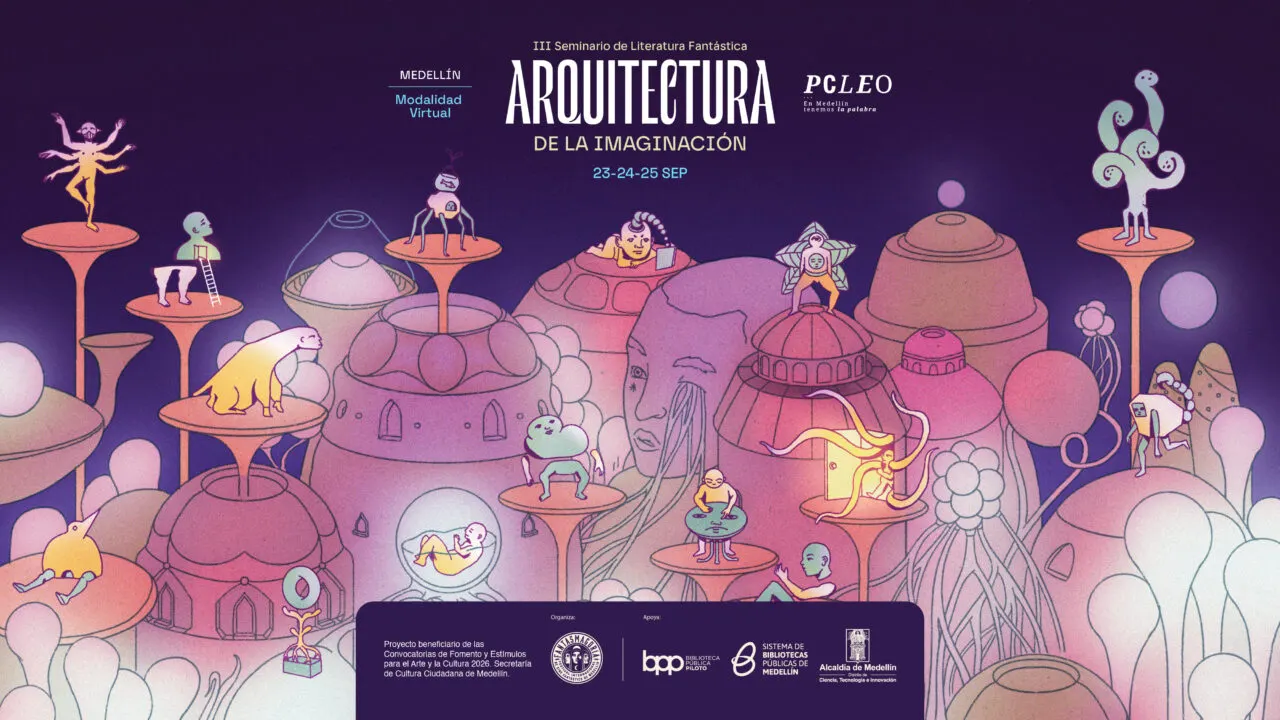
“Architecture of the Imagination”
September 23, 24 and 25, 2026
Introduction
Cities have been one of the most fertile settings for the literary imagination. In their streets, buildings and invisible networks of transit, memory and power, human stories intertwine with forces that go beyond the everyday. This seminar explores how fantasy, science fiction and horror literature have turned the city into a space of narrative transformation.
Through different authors, works and literary traditions, we will look at how cities can work as living organisms, landscapes of the strange, or settings for possible futures and social nightmares. From spectral, labyrinthine cities to dystopian or technological metropolises, literature has imagined the city as a symbolic architecture onto which fears, desires and questions about modern life are projected.
Topics the seminar will explore:
- The city as a creature: living, conscious or predatory cities.
- Cartographies of fear: urban topographies of horror and the supernatural.
- Techno-cities, dystopian and post-apocalyptic cities.
- The city as a border: between worlds, dimensions and realities.
- The Latin American city in speculative fiction.
- The digital city: collective intelligences, ghost networks, cities in the cloud.
For: writers, editors, illustrators, professionals and students of literature, the arts, the humanities or related fields, and anyone interested in the topic.
Dates:
September 23, 24 and 25, 2026
Format: Online
Registration dates
July 28, 2026: call for papers opens.
August 23, 2026: last day to submit proposals.
August 24, 2026: applicants are told whether their paper was accepted.
August 27, 2026: registration opens to the general public.
September 13, 2026: registration for the general public closes.
Details:
- Remember that all papers and keynote talks are listed in Colombia local time.
- An attendance form will be shared at each panel for you to fill in.
- A certificate of attendance and the proceedings will be sent a few days after the Seminar ends.
2026 Program
Wednesday, September 23 2026
14:00 h. Opening talk: Cities Have Nightmares Too: the Latin American City in Speculative Fiction by Maria Fernanda Ampuero
Panel 1:
15:30 h. The City as a Character: Memory, Autonomy and Destiny in Lord Dunsany’s The Sword of Welleran and Other Stories. Diego Enrique Hernández Negrete. Mexico. Colectivo Barbacoa Fantástica
16:00 h. The Architectural Subconscious: a Literary Look at Tunnels and Basements. Leandro Santiago Riera. Argentina. El Club de la Palabra Perdida
16:30 h. Fantasmagoría specialist talk. The Comic Is the Territory: Urban and Literary Drifts through Schuiten and Peeters’ The Obscure Cities by Jose Andrés Gómez (Doctor Calamar)
Panel 2:
17:00 h. Architectures of Memory: the Fantastic City in Tolkien and Angélica Gorodischer. Daniel Alejandro Penagos Betancur. Colombia. Sociedad Tolkien Colombia Orodruin.
17:30 h. Inhabiting Work: Architecture, Surveillance and Identity in Severance. Jenny Paola Ortega Castillo. Colombia. Researcher
19:00 h. Keynote Architectures of Unease: Brutalism, the Backrooms and the Horror of Liminal Spaces by Boris Greiff Tovar
Thursday, September 24 2026
14:00 h. Keynote: Night City, the Cyberpunk Nightmare by Manu González
Panel 3:
15:30 h. Oozing Havanas: Impure Autopoiesis and Urban Metabolism in Yoss and Erick J. Mota. Pedro P. Porbén. United States. Bowling Green State University (BGSU)
16:00 h. The Haunted House as Body-Archive: Architecture, Memory and Violence in Gothic Literature, Film and Television. Eleonora Gaviria and Santiago Hernández. Colombia. Study group: Gothic, Horror and Culture
16:30 h. Fantasmagoría specialist talk. Urban Déjà Vus, Dreamed Architectures and Real Cities: Notes and Reflections from an Urban Planner and Curious Reader by Juliana Gómez Aristizábal. Project coordinator, Center for Urban and Environmental Studies – urbam, Universidad EAFIT
Panel 4:
17:00 h. The City Made Monster: Liminal Spaces in Contemporary Digital Culture. Andrea M. González Sotelo. Mexico. Researcher
17:30 h. The City as a Paradigm of Alienation in Tsutomu Nihei’s Manga “BLAME!”. Alejandro Vesga Vinchira. Colombia. Librarian and Master in Information Science
18:30 h. Keynote. Cartographies of Fear, from the Gothic Castle to Latin American Geographies by Claudia Amador
Friday, September 25 2026
14:00 h. Keynote: The City of Man and the City of the Mind: Territory and Utopia in Ursula K. Le Guin’s Always Coming Home by Gabriela Damián Miravete
Panel 5:
15:30 h. Heterotopic Cities in C. L. Moore’s Speculative Fiction: Vonng and Baloise in the Northwest Smith Cycle. Josefina Corro. Argentina. Faculty of Humanities and Social Sciences, Universidad Nacional de Jujuy/CONICET
16:00 h. The Psychology of Nightmare Architectures: Why Do the Places of Horror Literature Frighten Us? Pedro Alejandro González Villegas. Mexico. El Otro Lado podcast
16:30 h. Fantasmagoría specialist talk. Uchronic Architectures in the Work of China Miéville by Camilo Defex Laserna.
Panel 6:
17:00 h. Dead Cities: Cartographies of Decay in Thomas Ligotti’s Songs of a Dead Dreamer. María Fernanda Ortega Martínez. Mexico. Researcher
17:30 h. Labyrinths, Mirrors and Oblivion: a Borgesian Architecture. Manuela Ramírez Hincapié. Colombia. Literature graduate, Universidad EAFIT
14:40h. On the Threshold: Liminality in the Characters of Carlota Carvallo’s “Cuentos fantásticos” and Death as a Passage in Children’s and Young Adult Literature by Guadalupe Vivanco Arana (Peru, La Cofradía de las 7 llaves)
15:30 h. Closing talk: “Thresholds in Hidden Corners: Impossible Latin American Places of the Weird” by Rodrigo Bastidas
Keynote Speakers

Gabriela Damián Miravete
Mexico City. She writes fiction and essays. She co-founded collaborative projects such as Mexicona: Imaginación y Futuro and the Cúmulo de Tesla, an art and science collective that published Mis pies tienen raíz, a book of biographies of Hispanic American women illustrated by Atenea Castillo. She received the FILIJ National Short Story Prize and the Jóvenes Creadores fiction grant, and has been part of Mexico’s Sistema Nacional de Creadores since 2023. She is the author of La canción detrás de todas las cosas (Elefanta Editorial) and Soñarán en el jardín (Alfaguara), which won the Shirley Jackson Award and the Fishing Fortress Award from China’s Tai Shan College of Science and Technology. Her stories have been translated into more than five languages and published in anthologies that were finalists for the Hugo and World Fantasy awards. Her story “They Will Dream in the Garden”, which imagines a future Mexico where femicide no longer exists, won the James Tiptree, Jr. Award, also given to authors such as Ursula K. Le Guin.
Manu González
Hospitalet de Llobregat, Barcelona, 1974. He is a writer, cultural journalist and librarian at Barcelona’s public libraries. He has written for well-known Spanish media such as El País, Qué Leer, El Periódico, Ara, Librújula and Mondo Sonoro, was editor-in-chief of Go Mag and coordinated the digital culture magazine Blisstopic.
A specialist in comics, science fiction and fantasy literature, he has written many essays on popular culture. His books include Ciudades fantásticas y dónde encontrarlas, Criaturas fantásticas, Villanos Fantásticos, Steampunk, Cómics de los 80 and Cómics de los 90, making him one of the best-known voices popularizing the fantastic in Spain.


María Fernanda Ampuero
Ecuador, 1976. A writer and journalist, she is recognized as one of the most prominent voices in contemporary Latin American literature. Her chronicles have appeared in Gatopardo, Anfibia, Internazionale and El País, and have received major awards, including the Ciespal Chronicle Prize.
She is the author of the acclaimed story collections Pelea de Gallos (Cockfight, 2018), translated into more than ten languages and named one of the best books of the year by The New York Times en Español, and Sacrificios Humanos (Human Sacrifices, 2021), a body of work that explores horror, violence and family ties from a deeply visceral perspective.
Claudia Amador
Barranquilla, 1998. She holds a degree in Literary Studies from the Universidad Autónoma de Bucaramanga and a master’s in Creative Writing from the Universidad de La Rioja. Her stories have been published in Spain, Mexico, Uruguay and Colombia. She won the 15th Ciudad de Pupiales International Short Story Contest (2020), the Relata contest (2022) and the Reverso poetry contest (2025) in the youth poetry category. In 2023 she published Macrored, a story collection that won a publishing grant from the Ministry of Culture’s National Incentives Program. In 2024 she won the Elisa Mújica National Fiction Prize for Altasangre (Laguna libros, Mirabilia libros, 2025; Alianza editorial, 2026), named among the standout books of 2025 in Colombia. Besides writing, she leads workshops and works in cultural management.


Rodrigo Bastidas Pérez
Pasto, Colombia. University lecturer, PhD in Literature, independent researcher and literary critic. He has published anthologies including Relojes que no marcan la misma hora, Cronómetros para el fin de los tiempos, El tercer mundo después del sol and Futuras: cuentos de ciencia ficción eco feminista. He is the author of Cuerpos luminares y de otras dimensiones (2022), winner of the Julio González Gómez International Prize in 2023, and the novel Las dimensiones absolutas (2024), which received the National Library’s unpublished novel grant. He is also editor-in-chief of Ediciones Vestigio.
Boris Greiff Tovar
Bogotá, Colombia. He is a Colombian graphic designer, researcher and science communicator with a master’s in Cultural Studies. His work focuses on the crossroads of science fiction, horror, visual culture and contemporary media, exploring fantastic genres as tools to understand social and technological change.
For more than sixteen years he has run Ficciorama, an independent fanzine devoted to science fiction, comics and illustration. As a researcher and speaker he has given talks and workshops on the history of science fiction, horror, speculative design and visual storytelling. He is currently researching the relationship between technology, memory, religion and contemporary horror from a Latin American perspective.
Organizing Committee

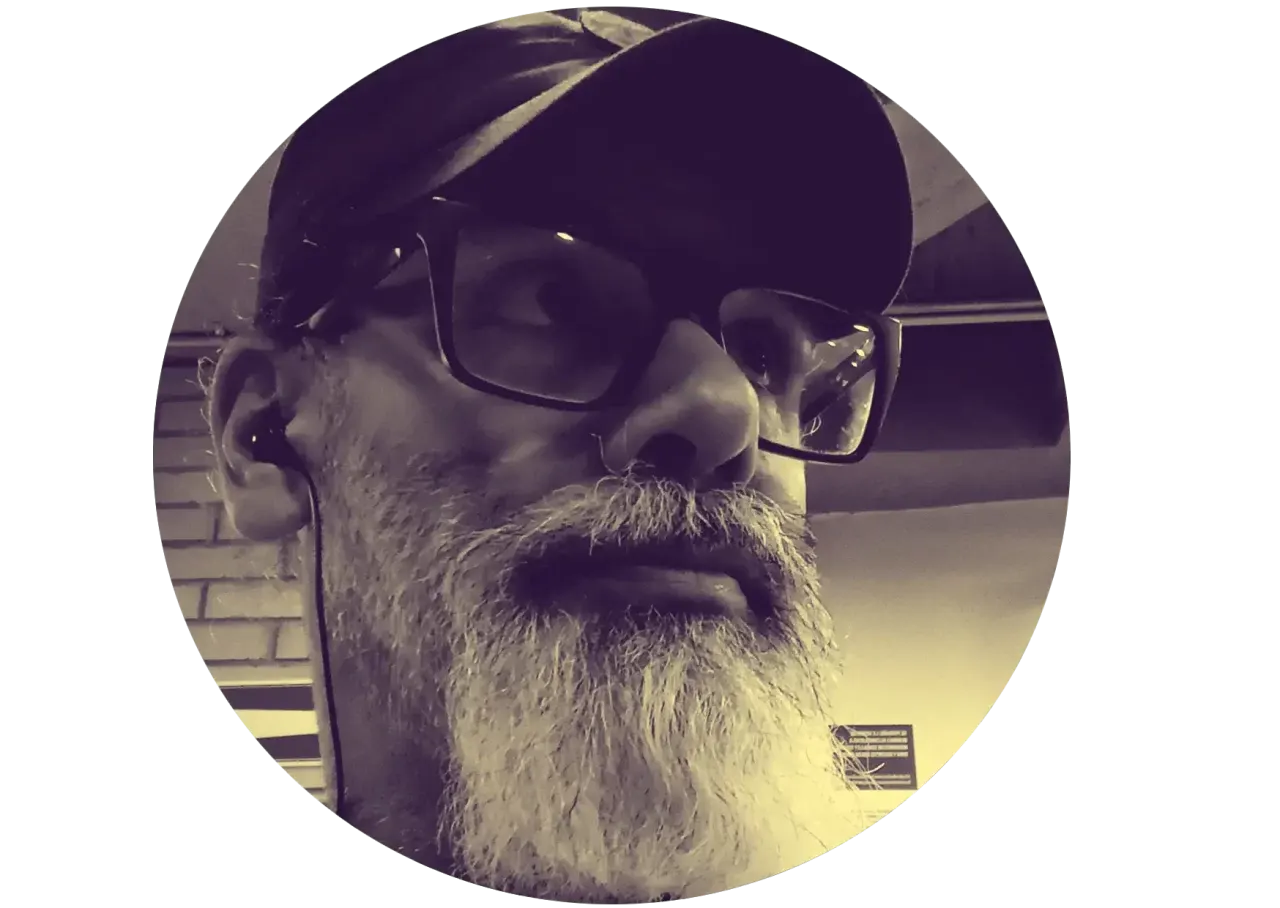
Angie Vanessa Vallejo Grajales
Medellín, Colombia. An explorer of stories, imaginaries and possible worlds. With a degree in Literary Studies, her work sits at the intersection of literature, digital culture and contemporary narratives. She has taken part in cultural outreach, panels and academic and literary events, with a particular interest in fantasy and horror culture, understood not only as a set of genres but as a way of thinking about the fears, desires and obsessions of each era.
Jose Andréz Gómez
Bucaramanga, Colombia. He studied audiovisual and multimedia communication at the Universidad de Antioquia. He has written ten books, published by houses such as Tragaluz, SM and Planeta, and in 2019 won the El Barco de Vapor children’s literature prize. He contributed to the Fantasmagoría books La verdad está ahí fuera, La maldición de la luna llena, Los infantes terribles and Colombia es fantástica. Besides writing and screenwriting, Jose Andrés Gómez directed the short films RCT 1139 (2009) and El Otro Lado (2014), the latter funded by the Film Development Fund and premiered in the official selection of the Cartagena International Film Festival. He was a founding member of the Cinema Zombie film club, has written about film and comics for Kinetoscopio, El Espectador and Larva, and is now part of the Fantasmagoría festival.
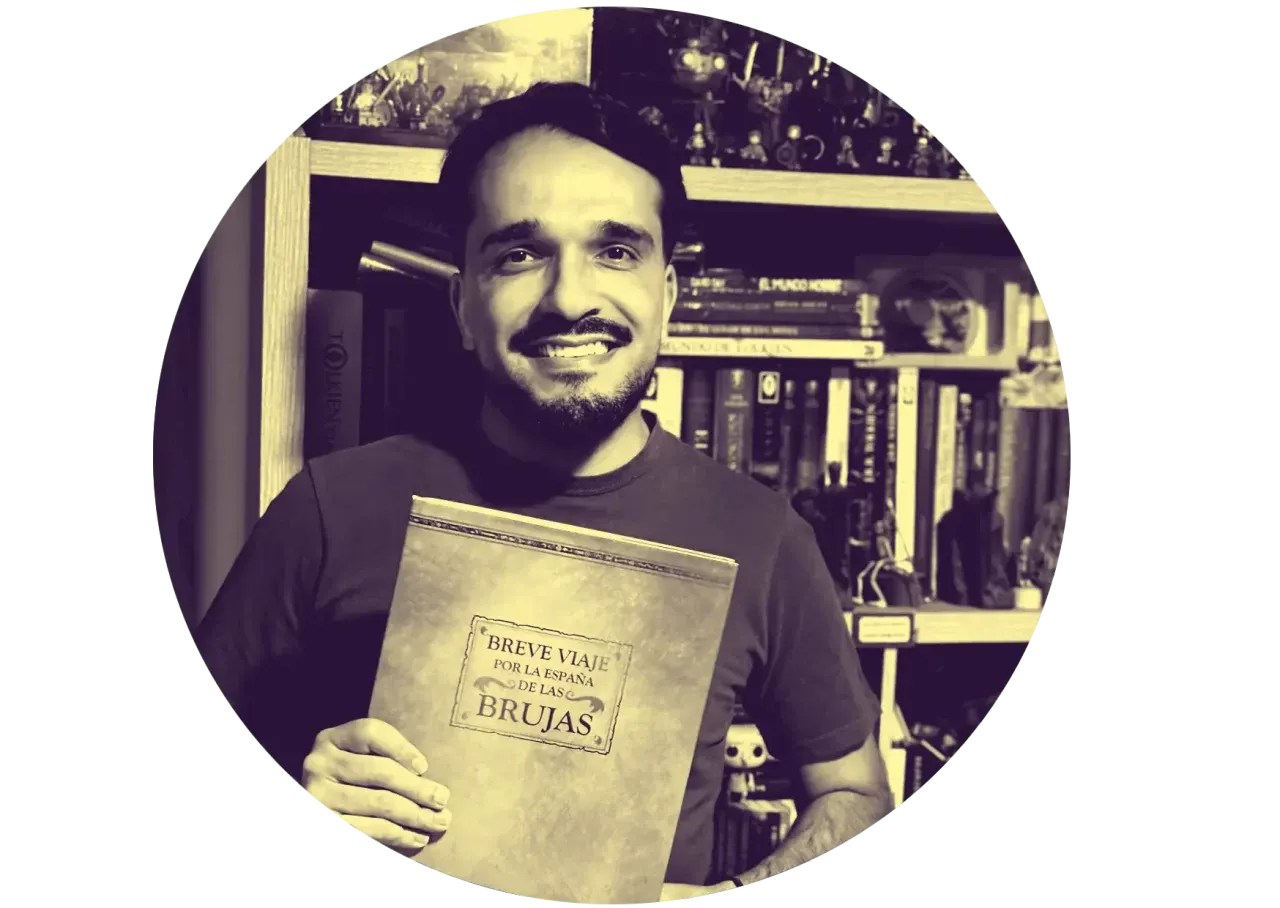
Cristian Jaramilo Palacio
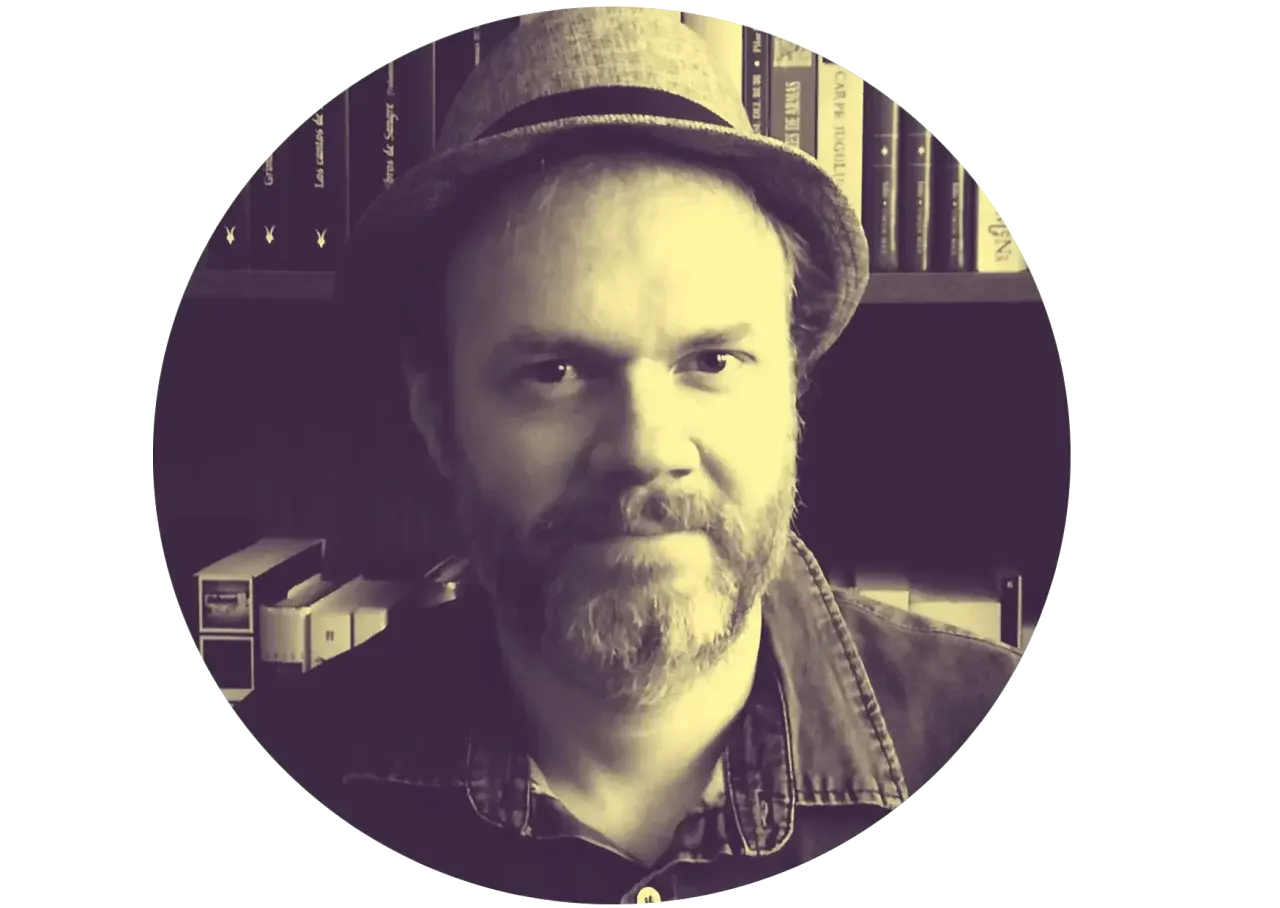
Medellín, Colombia. Audiovisual communicator and cultural manager with more than 12 years of experience creating projects focused on genre film, literature and education. He has worked in reading promotion, video game writing and media education. He coordinates Fantasmagoría, Medellín’s fantasy and horror film festival, a multidisciplinary platform that brings together film, literature, illustration, games and audience development around the genre. His favorite monsters are Dracula and the Witch of Endor, and he has a weakness for stories of abductions, rural horror and ghosts.