
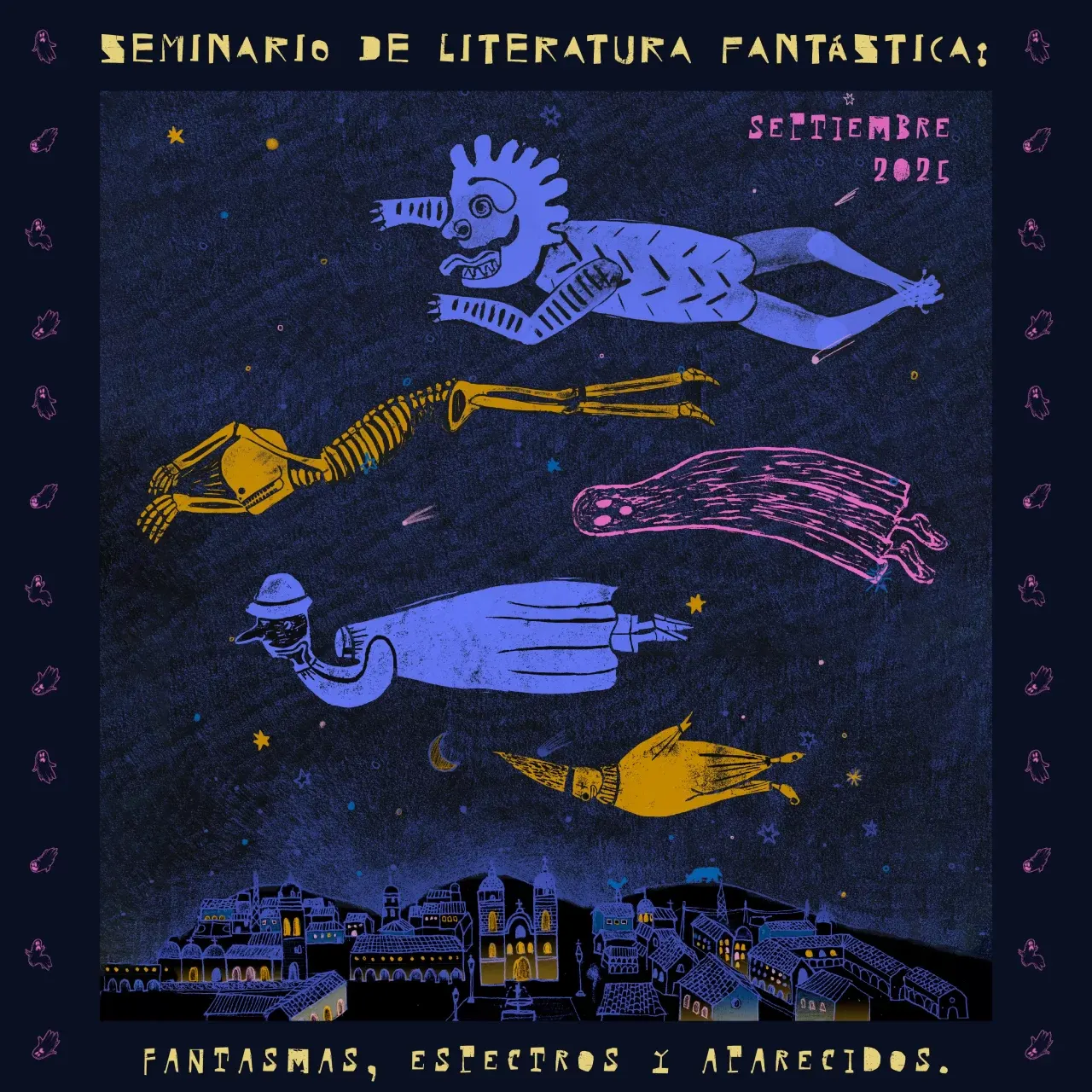
“Ghosts, Specters and Revenants in Fantastic Literature”
Introduction
Ghosts are a metaphor for the unknown. They have not only died; for some strange reason their death has been different. They are dead who refuse to die because they do not know how, cannot, or are not allowed to; they are lost souls, restless departed who usually have something left undone. When they return, they challenge the boundaries between the “real world” and the “beyond”. In this context, the Seminar is conceived as a laboratory of literary criticism, attentive to new aesthetic trends and formats.
For: writers, editors, illustrators, professionals and students of literature, the arts, the humanities or related fields, and anyone interested in the topic.
Dates:
September 4, 5 and 6, 2025
Format: Online
Registration dates
July 17, 2025: call for papers opens.
August 4, 2025: last day to submit proposals.
August 11, 2025: applicants are told whether their paper was accepted.
August 13, 2025: registration opens to the general public.
August 30, 2025: registration for the general public closes.
Details:
- Remember that all papers and keynote talks are listed in Colombia local time.
- An attendance form will be shared at each panel for you to fill in.
- A certificate of attendance and the proceedings will be sent a few days after the Seminar ends.
Recordings of the 2nd Fantastic Literature Seminar
2025 Program
Thursday, September 4 2025
15:00 h. Opening talk: “From Comala to the Cathedral: Ghosts in Mexican Literature” by Bernardo Esquinca
Panel 1:
16:30 h. The Market of Absence and the Ghosts of the Future in Pablo Plotkin’s Brasil del Sur (2022, Emecé) by Lucía Vazquez (Argentina, Faculty of Philosophy and Letters, UBA. ILH. CONICET)
16:50 h. “I Started Eating Earth for Others Who Wanted to Speak”: Trauma, Memory, Resistance and Ghosts in Cometierra (Eartheater, 2019) by Dolores Reyes, by Karla Paola Cabrera Acuña (Peru, Leiden University Centre for the Arts in Society (LUCAS))
17:10 h. As Below, So Above: the Life of Ghosts in the Work of Pu Songling by Alejandro Jiménez Roque (Mexico)
Panel 2:
17:30 h. Spectral Ontologies and Melancholy Automatons: Technological Hauntology in Cuban Speculative Fiction by Pedro P. Porbén (USA, Bowling Green State University (BGSU))
17:50 h. From the Threshold: Lost Souls in the Inhabited House by Brenda Elizabeth Martínez López (Mexico, Universidad de Guanajuato)
18:10 h. Yaoguai/Yogoe/Yokai: on Animism in China, Korea and Japan by Alejandro Arenas Arias (Colombia)
19:00 h. Keynote “Fantasmático Connected the Omnitrix to the Internet. Notes on Hauntology and Affect in Kairo (回路)” by Hank T Cohen.
Friday, September 5 2025
15:00 h. Keynote: “Of Revenants and Ghosts: Contact and Communication through Thresholds and Mediating Objects in Hispanic American Fantastic Literature” by Alejandra Amatto.
Panel 3:
16:30 h. An Approach to the Uncanny in Science Fiction: AIs and Holograms as Projections of the Self and the Technological Communication of Specters. by Santiago Hernandez and Sara Lugo-Márquez (Colombia, Science Fiction Reading and Writing Club – Semillero Spectrum)
16:50 h. The Walking Dead: the Oathbreaker Specters in Tolkien by Daniel Alejandro Penagos Betancur (Colombia, Sociedad Tolkien Colombia Orodruin)
17:10 h. The Fragility of the Ghost Child: a Kafkaesque Commentary by Manuela Ramírez Hincapié (Colombia, Universidad EAFIT)
Panel 4:
17:30 h. Specters of the Posthuman: the Machinic in Science Fiction Cinema by Jenny Paola Ortega Castillo (Colombia)
17:50 h. From the Luminous Specter to the Cinematic Ghost: Film and the Fantastic in the Writing of Horacio Quiroga by Michelle Morales Castro (Mexico)
18:10 h. The ‘Revenant’ as a Historical Mark in Two Argentine Stories: the Spectral Disappeared in Leo Oyola and Mariana Enríquez by Viviana Valentín Capello (Argentina, Universidad de Buenos Aires)
19:00 h. Keynote “Little Revenants: Childhood and the Ghostly in Literature” by Lola Ancira.
Saturday, September 6 2025
Panel 5:
9:40 h. From the Whoniverse to the Science Fiction Novel: a Classification of Ghosts by Eduardo Omar Honey Escandón (Mexico, Centro Morelense de las Artes)
10:00 h. Among Battered Brains and Bloody Napkins: the Unruly Spirits in Daína Chaviano’s “Estirpe maldita” (Cuba) by Mikaela Huet-Vray Nieto (Colombia, Universidad Complutense de Madrid)
10:20 h. Fireflies That Never Go Out: Ghosts of Childhood at War in Grave of the Fireflies and the Colombian Conflict by Deisy Gomez (Colombia)
11:00 h. Keynote “Why Do We Become Ghosts?” by Lina Parra
Panel 6:
14:00 h. The Ghosts of Melancholy in the Work of Francisco Tario by Guillermo Iván López Alemán (Mexico, Universidad Nacional Autónoma de México)
14:20 h. Selfless Spirits: Dialectics and Sacrifice as Anticlimax in Ghost Stories by Uriel Arturo Blackmore Valdez (Mexico)
14:40h. On the Threshold: Liminality in the Characters of Carlota Carvallo’s “Cuentos fantásticos” and Death as a Passage in Children’s and Young Adult Literature by Guadalupe Vivanco Arana (Peru, La Cofradía de las 7 llaves)
15:30 h. Closing talk: “Spectral Topographies: Hauntology and Urban Ghosts” by Jose Andrés Gómez.
Keynote Speakers
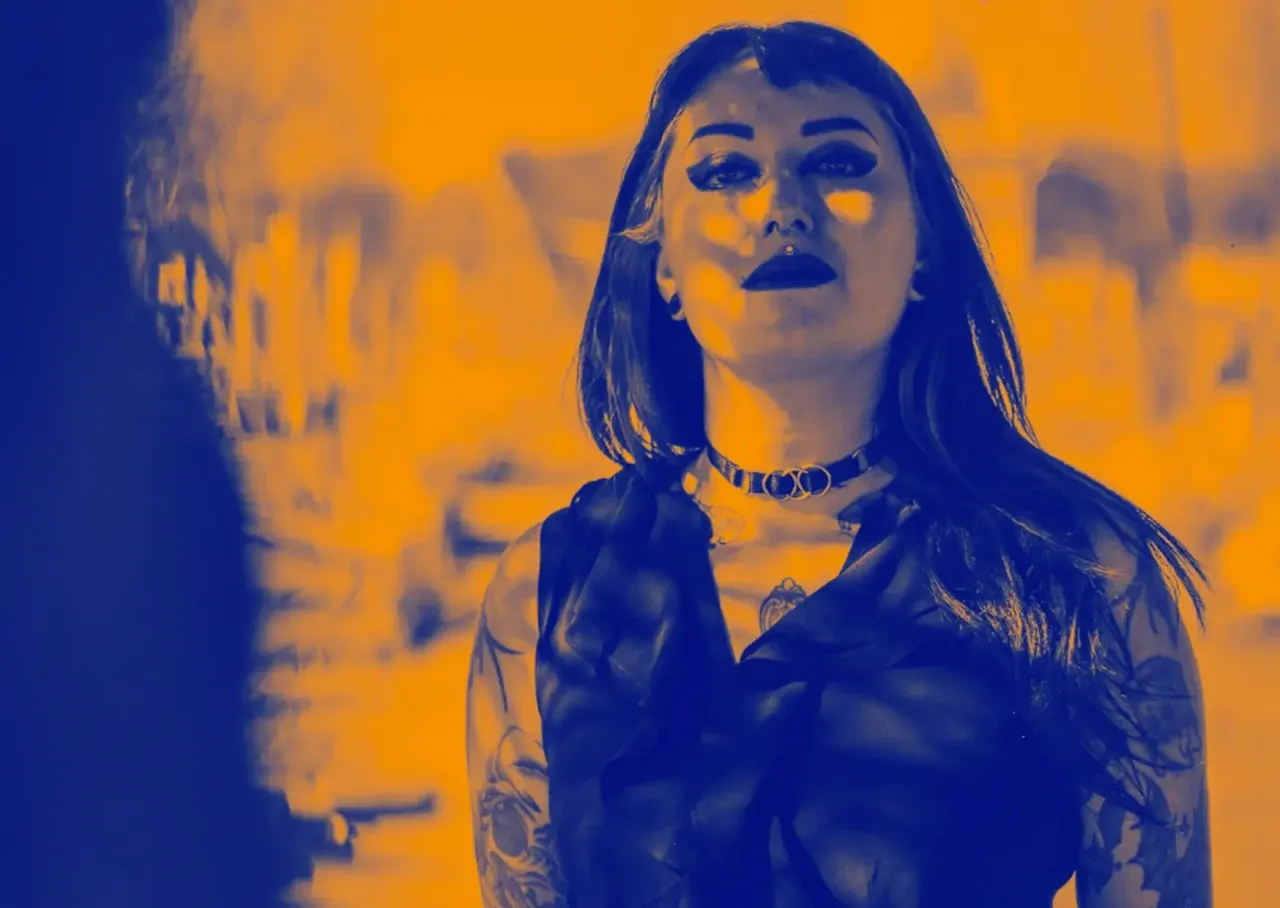
Lola Ancira
Born in Querétaro. She has published essays, stories and book reviews in many print and online outlets. She is the author of the story collections Tusitala de óbitos, El vals de los monstruos, Tristes sombras (translated into English by MTO Press in 2024) and Despojos, winner of the 2021 Laura Méndez de Cuenca National Literature Prize. She has held fellowships from the Fundación para las Letras Mexicanas, Fonca and PECDA Querétaro. Her work has been anthologized in books such as Nuestras resistencias. Escritoras que nos vuelan la cabeza (Santillana, 2023) and Gótico urbano. Nuevas historias de ficción urbana escritas por mujeres (Horror Vacui, Spain, 2024). She currently teaches short story workshops and courses on fantastic literature.
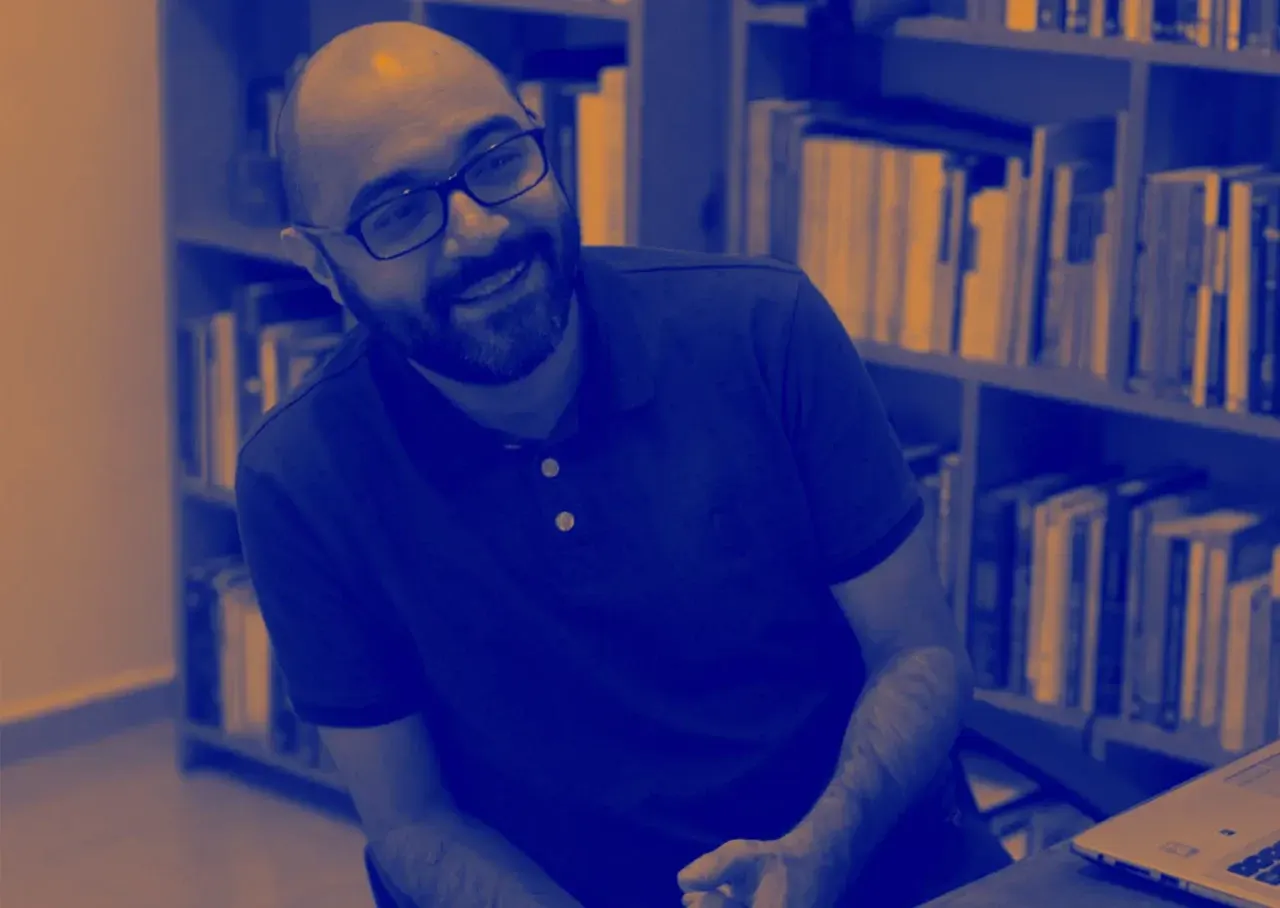
Bernardo Esquinca
Born in Guadalajara, Mexico, in 1972. He is the author of the novels La octava plaga, Toda la sangre, Carne de ataúd, Inframundo, Necropolitana, Asesina íntima and La región crepuscular, and the story collections Los niños de paja, Demonia and Mar Negro, among other books. He has been a member of Mexico’s Sistema Nacional de Creadores de Arte three times. In 2017 he won the National Crime Novel Prize, and in 2021 he was nominated for the prestigious Shirley Jackson Award.

Lina Parra
Lina Parra was born in Colombia. She is the author of the novel La mano que cura (The Healing Hand; Tránsito, 2023; Alfaguara, 2023), which subtly explores intimate and social fractures through an intense, sensitive narrative voice. She has also published the story collections Malas posturas (EAFIT, 2018), a sharp, unflinching look at family ties and the tensions of the body, and Llorar sobre leche derramada (Animal Extinto, 2020), where everyday losses and small gestures become the heart of restrained yet powerful writing.
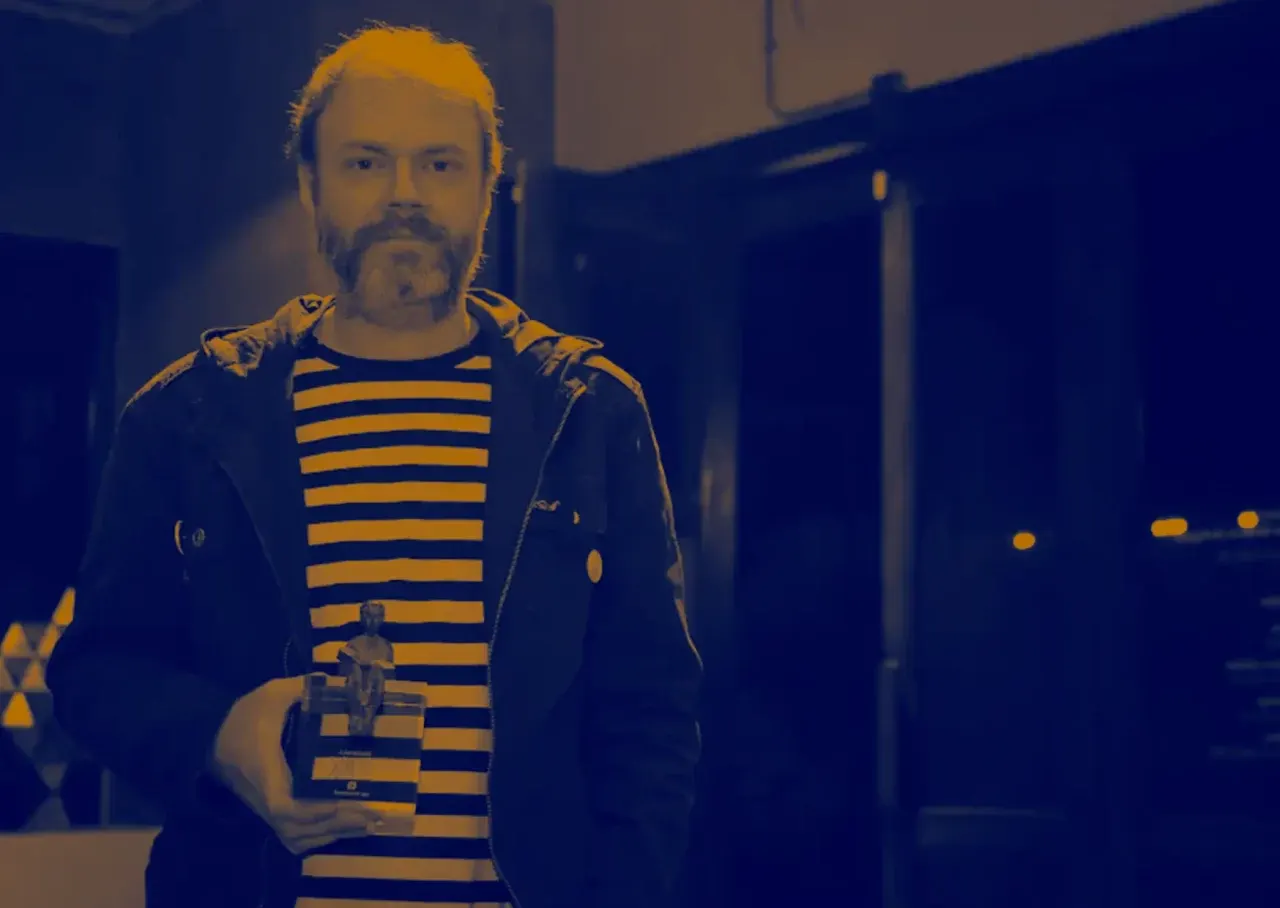
Jose Andrés Gómez
He has published ten books for children and young adults, but sometimes he also writes strange things. Naturally, he was one of the founders of Cinema Zombie in Medellín, and he is now part of Fantasmagoría. He has directed a couple of short films, is also a screenwriter, and has written for Kinetoscopio, Larva and El Espectador about mysterious and forgotten books, comics and films. These days he hoards board games in a secret room in his house, behind the cookie cupboard.
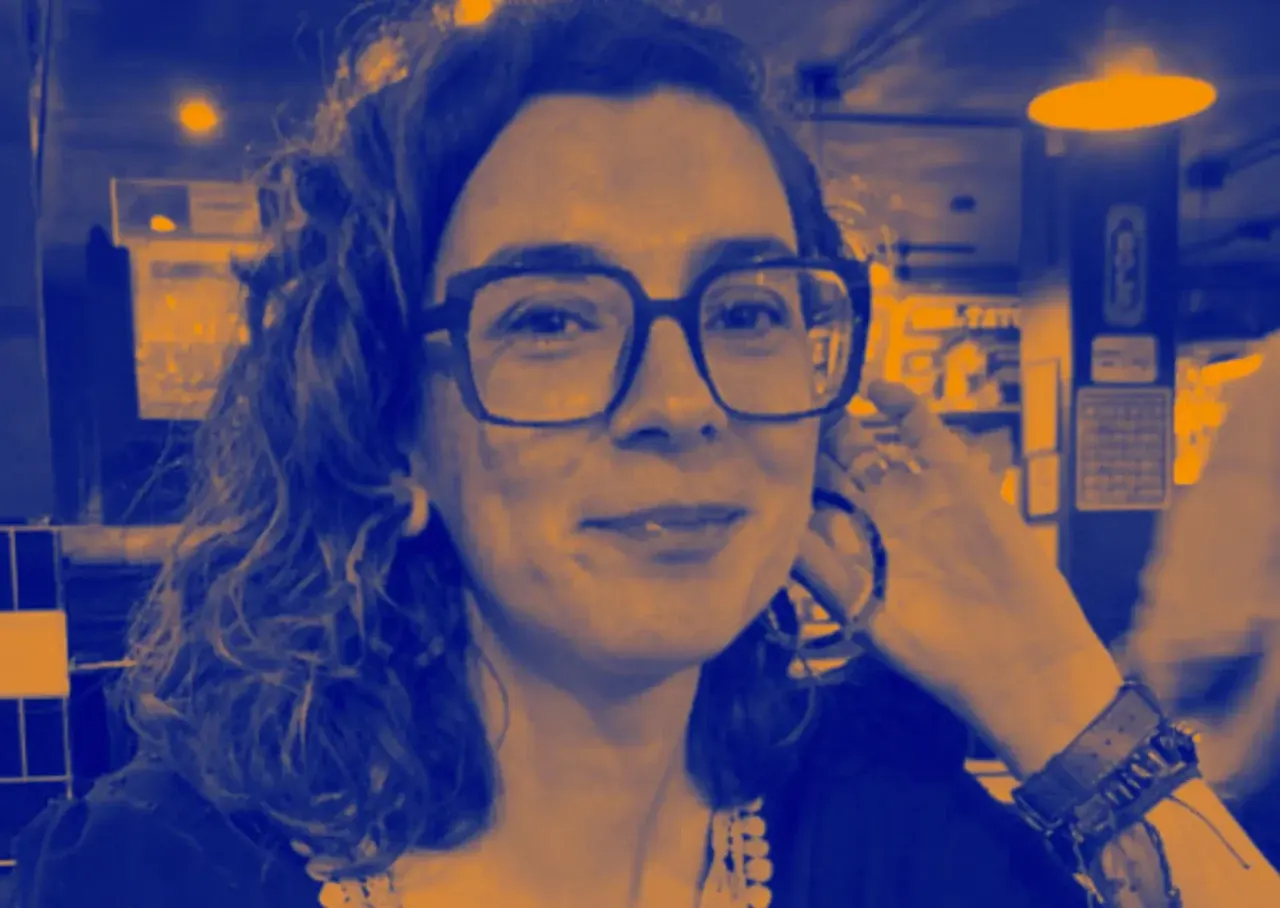
Alejandra Amatto
She is a professor and researcher in the undergraduate and graduate programs in Latin American Studies and in the Graduate Program in Literature at the FFyL of UNAM. She has worked on the works of Jorge Luis Borges, Francisco Tario, Juan Carlos Onetti, Felisberto Hernández, Amparo Dávila and Mariana Enriquez, among others. She wrote the prologue to the first Mexican edition of XYZ (novela grotesca) by Clemente Palma (2019), is the author of the book Entre lo insólito y lo extraño: nuevas perspectivas analíticas de la literatura fantástica hispanoamericana (UNAM, 2019) and co-editor of the book Coversa-Tario. Ensayos en torno a Francisco Tario (2021). She wrote the booklet Material de lectura 122 (UNAM, 2022), devoted to the Uruguayan author Armonía Somers, and is the author of the book El espejo y la flor: umbrales y objetos mediadores en la literatura fantástica hispanoamericana, soon to be published by UNAM.
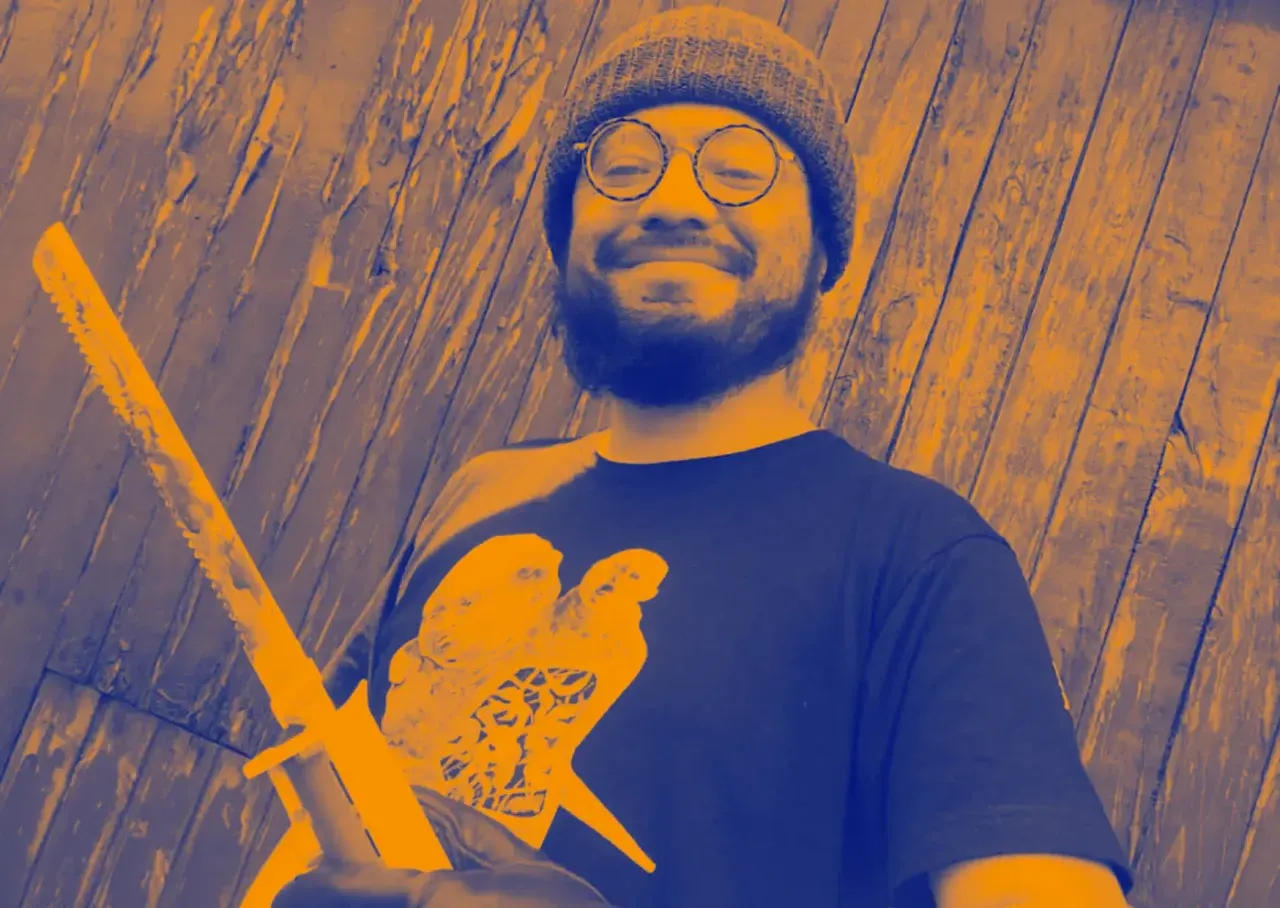
Hank T. Cohen
Also known as Camilo Ortega and as a “metaphysical bodybuilder”, he is the author of the story collections El Pornógrafo (2019), Traumatismo pancreático (2022) and La magia en la época de su reproducibilidad técnica (La plena noche, 2024), and co-author of Balazo fecundante with Stephany Méndez Perico (2024). He studied literature and holds a master’s in Writing from the Universidad Nacional de Colombia. His stories have appeared in the anthologies Brecha, Criaturas artificiales, Contaminación futura, Fisura, Quiero la cabeza de Bram Stoker and Cabezas en la ventana, and in the magazines Phoenix, Amalgama and Ficciorama. He may be Thomas Pynchon.
Review Committee

Angie Vallejo
An instructional designer with a degree in Literary Studies, she explores narratives of horror, the strange and the liminal. She is an expert on the Backrooms and other unsettling fictions of the digital imagination. She has created narrative universes such as Solarium and developed educational video games for Selecu at Cosmo Schools, combining teaching, horror and science fiction. Her work crosses the line between education and storytelling, moving easily between theory and creation.
Jose Andrés Gómez
He has published ten books for children and young adults, but sometimes he also writes strange things. Naturally, he was one of the founders of Cinema Zombie in Medellín, and he is now part of Fantasmagoría. He has directed a couple of short films, is also a screenwriter, and has written for Kinetoscopio, Larva and El Espectador about mysterious and forgotten books, comics and films. These days he hoards board games in a secret room in his house, behind the cookie cupboard.
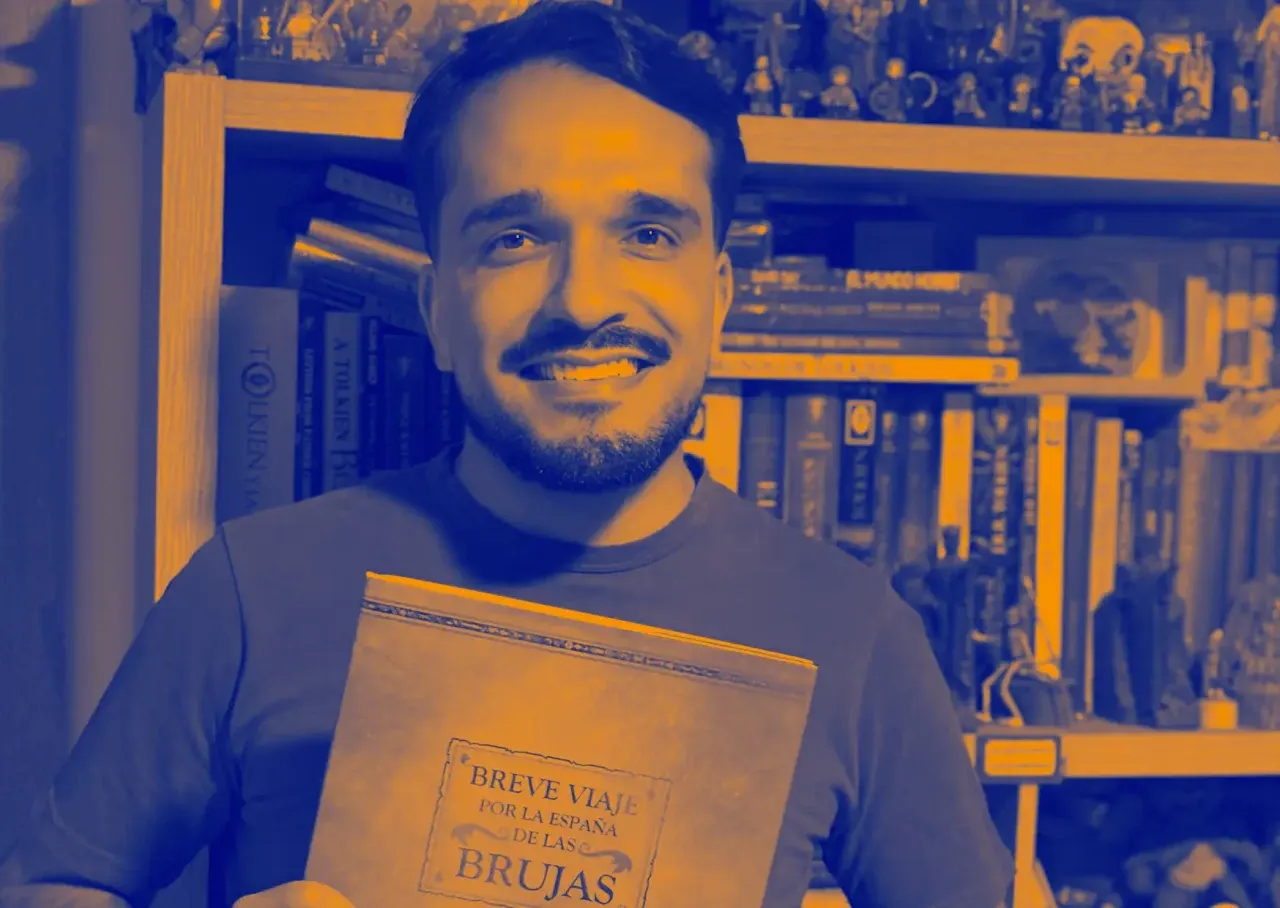
Cristian Jaramilo Palacio
Audiovisual communicator and cultural manager with more than 12 years of experience creating projects focused on genre film, literature and education. He has worked in reading promotion, video game writing and media education. He coordinates Fantasmagoría, Medellín’s fantasy and horror film festival, a multidisciplinary platform that brings together film, literature, illustration, games and audience development around the genre. His favorite monsters are Dracula and the Witch of Endor, and he has a weakness for stories of abductions, rural horror and ghosts.
